Sunday, October 25, 2026
How to Price Your First Etsy Product for Profit
Pricing an Etsy product involves more than copying competitor prices. Learn how to consider materials, fees, time, fulfillment costs, and profit so you can choose a price that makes sense for your business.
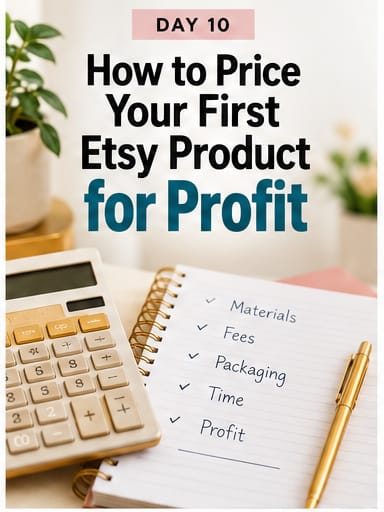
“How much should I charge?” This is one of the hardest questions for a new seller. And unfortunately, many people answer it like this: “I’ll see what everyone else charges and pick something similar.”
That is useful information. But it is not enough. Because you do not know your competitor’s costs. You do not know their profit margin. You do not know whether their pricing is sustainable. And you definitely do not know whether they are actually making money.
Your Price Has to Work for Your Business
Start by thinking about what the sale costs you.
For a physical product, that might include:
Materials.
Packaging.
Shipping supplies.
Labor.
Marketplace fees.
Payment-processing fees.
Equipment.
Contract help.
Advertising.
And your time.
For a digital product, you may have fewer per-order costs, but there can still be:
Etsy fees.
Software.
Design assets.
Contractors.
Advertising.
Licensing.
Customer support.
And the time it took you to create the product.
Revenue Is Not Profit
If you sell something for $30, you did not automatically make $30. If it costs you $18 to produce, fulfill, and sell that product, your business earned much less. This is why I want you thinking about profit now; even if you have not made your first sale yet.
Your Goal Is Not to Be the Cheapest
New sellers sometimes believe they need a low price because they do not have reviews yet. Be careful. Pricing too low can create several problems. You may not leave enough room for profit. It may become difficult to raise the price later. And sometimes a very low price makes buyers question quality.
Instead of asking:
“How cheap do I need to be?”
Ask:
“What would make this product worth this price?”
That might be:
Better instructions.
Better presentation.
More personalization.
A useful bundle.
A clearer outcome.
Better customer service.
Convenience.
Specialization.
Price communicates something.
Use the Market as Information, Not a Rule
Look at comparable products. You want to understand the range. But do not blindly match the cheapest seller.
Your costs and business model may be completely different. If the market will only pay $15 for something that costs you $14 to deliver, that is useful information.
Maybe you need:
A different product.
A different version.
A higher-value bundle.
Lower costs.
A different audience.
Or a different business model.
That is better to discover now.
Your Day 10 Etsy Sprint Action
Choose one product.
Write down:
Your selling price.
Your Etsy fees.
Your materials or production costs.
Packaging.
Estimated fulfillment time.
Advertising costs, if any.
Other direct expenses.
Then ask:
What is actually left?
You do not need an accounting degree.
I simply want you to begin looking beyond the number on the order receipt.
Tomorrow, we’re going to move into your actual listing and talk about writing a title that makes sense to both Etsy and the buyer.
Build Profit Into the Plan
Inside Signature Sales Blueprint, pricing and scaling are part of the larger system because more sales do not help very much if the business model does not leave enough profit.
Learn more at AmandaBoggsCoaching.com.
See other posts like this one:
Wednesday, October 21, 2026
Start Small: Why You Should Test Before You Scale Your Etsy Shop


Sunday, October 18, 2026
Physical or Digital Products? Choose the Model That Fits Your Time and Profit Goals
Saturday, October 17, 2026
What Should You Sell on Etsy? Start With a Problem People Already Want Solved
Friday, October 16, 2026
Can You Start a Successful Etsy Shop If You’ve Never Sold Anything Before?

Thursday, October 15, 2026
Everybody Wants to Be Their Own Boss. But Are You Ready to Be Your Own Employee?
Wednesday, October 14, 2026
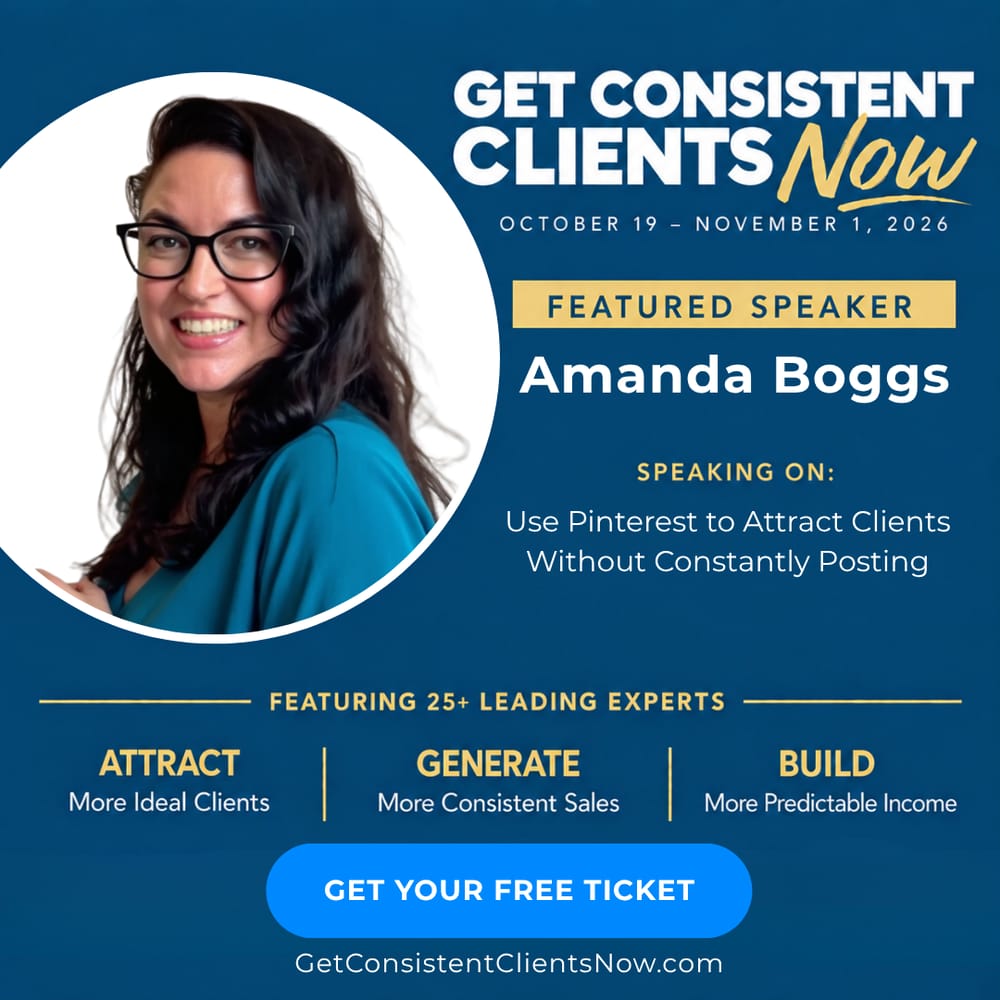
Stop Posting More. Start Getting Found: Join Me at the Get Consistent Clients Summit!
Saturday, October 10, 2026
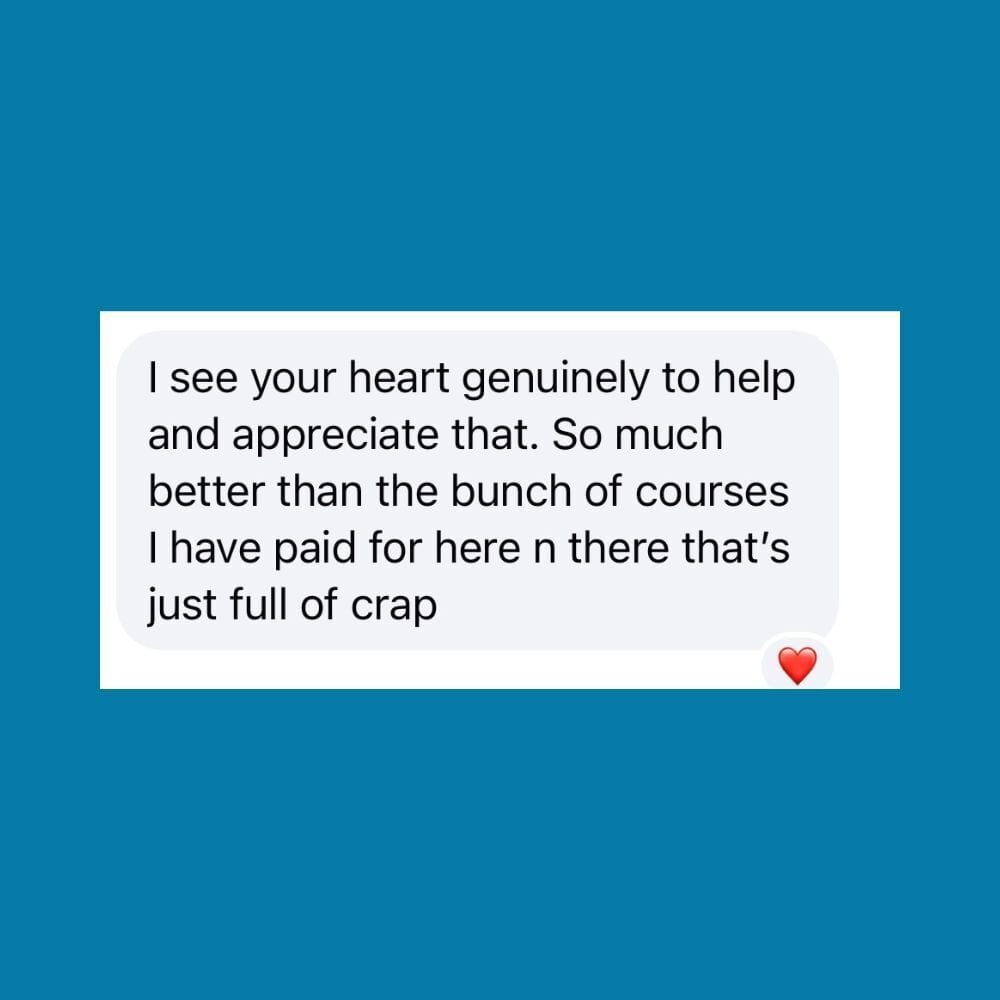
Why One Hour With an Etsy Business Coach Could Save You Months of Trial and Error
Wednesday, October 07, 2026
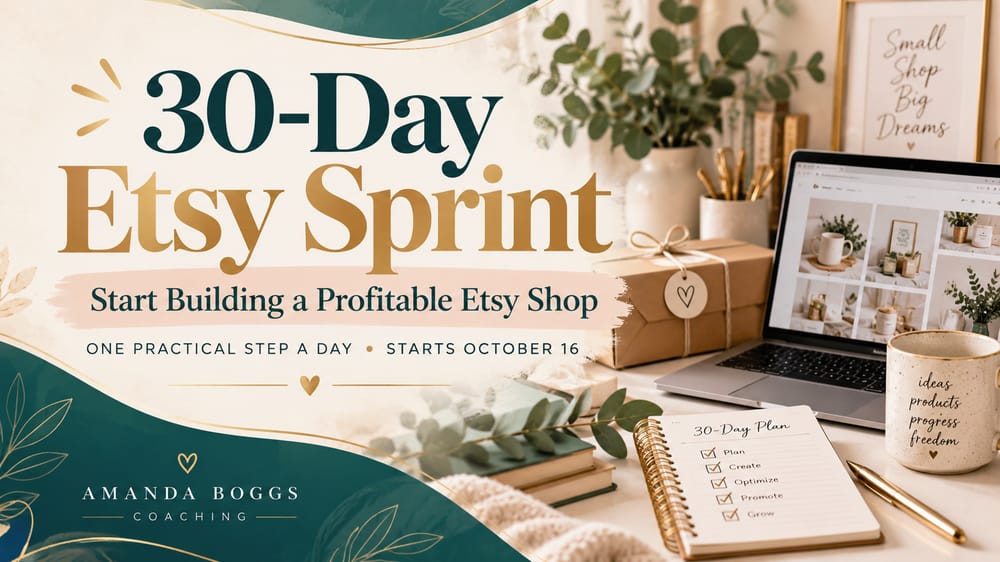
The 30-Day Etsy Sprint Is Coming: Start Building an Etsy Shop That Can Actually Sell
Tuesday, October 06, 2026
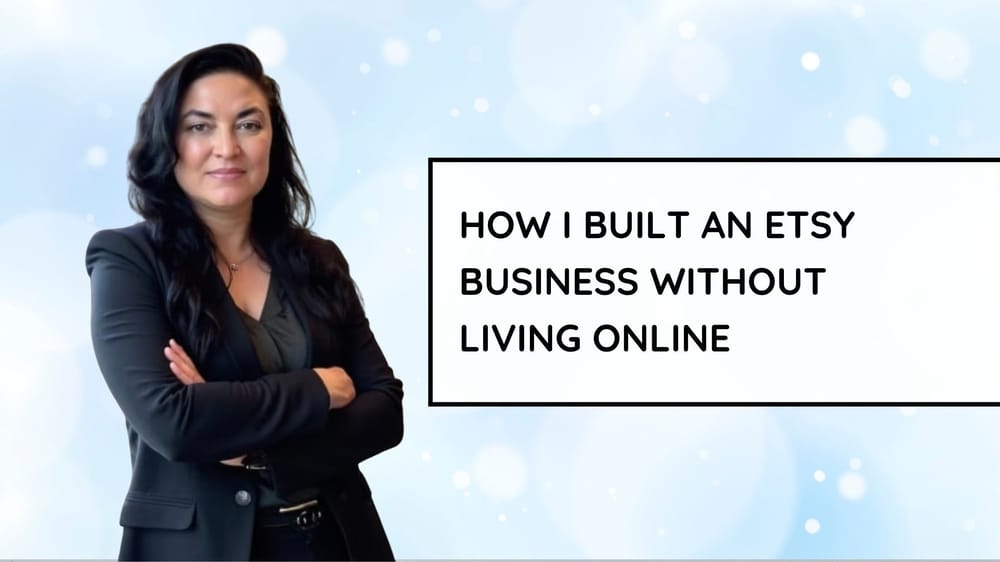
Why I Built a Business That Didn't Require Me to Be Online All Day

©Amanda Boggs 2026 | All Rights Reserved
This page and any offers from Amanda Boggs Coaching are not affiliated with Etsy or Pinterest.