Friday, October 30, 2026
When Your Numbers Are Lying to You: Are Your Etsy Sales Really Down?
My Etsy sales were down 84%, but my overall e-commerce revenue was growing. Here's what happened when I stopped offering constant discounts and why Etsy sellers need to look beyond transaction counts to understand how their businesses are really performing.
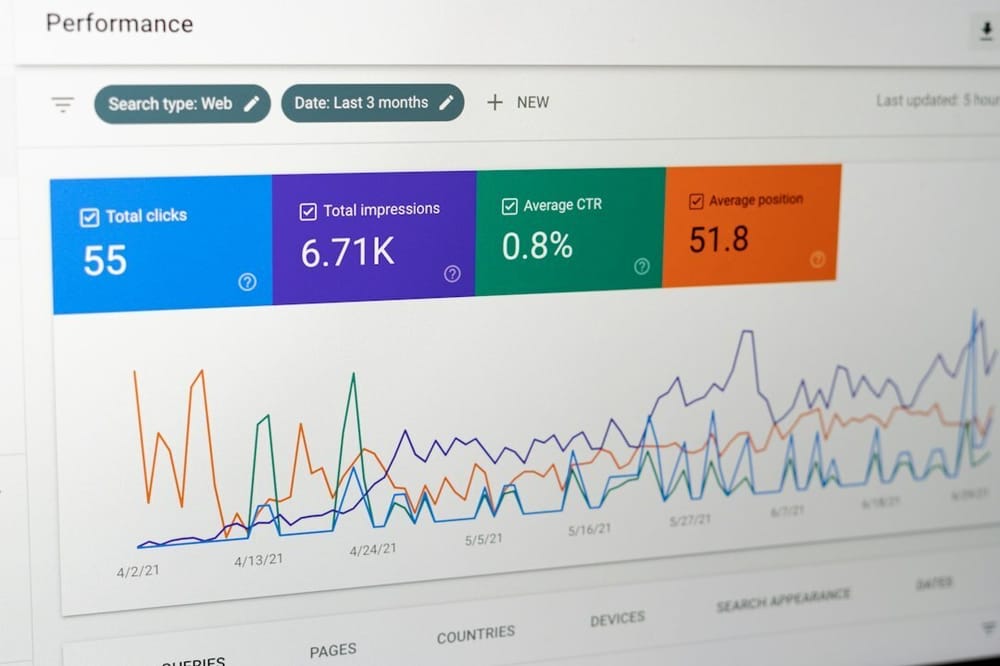
When Your Numbers Are Lying to You: Are Your Etsy Sales Really Down? Take the free Sales Audit and dial in your metrics.
What if the numbers making you panic are actually hiding good news about your business?
Have you ever opened your Etsy dashboard, seen a big red number, and immediately felt like you needed to fix something? Maybe your orders are down compared to last year. Maybe your shop visits have dropped. Maybe you haven't sold as many items this month as you expected. And suddenly, you're questioning everything.
Should you run a sale? Lower your prices? Create more listings? Spend more time marketing?
But before you start changing things, there's a question I want you to ask:
Are your numbers telling you the whole story?
Because sometimes the metric you're worrying about isn't measuring what you think it is. And I was reminded of that in a big way this week.
My Etsy Sales Were Down 84%. And I Almost Panicked.
Earlier this week, I was celebrating.
I'd just discovered that I'd climbed from the top 4% to the top 3.5% of Etsy sellers. Orders had been coming in steadily, and I'd made hundreds of dollars that day. I was feeling pretty good about my business.
Then the next day, I checked my Etsy statistics. My sales were down 84% compared to the same period last year.
Eighty-four percent!
And almost instantly, I went from celebrating my accomplishments to looking for ways to increase sales. I started reviewing listings, thinking about promotions, and trying to figure out what needed fixing.
Then I remembered something: Last year, I was running my Halloween promotion, which I believe I called the "Spooky Sale." And that changed how I looked at the comparison.
I Used to Run a Sale Every Single Month
For years, I offered monthly sales and coupon codes in my Etsy and eBay shops.
There was always a reason to have a promotion. Halloween. Thanksgiving. Christmas. Valentine's Day. Spring cleaning. Summer sales. And if there wasn't a holiday coming up, I could invent a reason.
I thought I was encouraging customers to purchase. And to some extent, I probably was.
But eventually, I started noticing something. I was teaching my customers to wait.
Why buy something at full price today when another discount might be coming next week?
My promotions were becoming so predictable that they weren't really special anymore. I realized I might be encouraging more transactions without necessarily building a healthier business.
So this year, I made a change.
I stopped offering discounts every month.
Now, when I have a sale, it's actually an event. And something interesting has happened.
My Revenue Has Increased, Even Though I'm Spending Less Time in My Shops
This year, I've been busy launching and growing my coaching business.
As a result, I've spent considerably less time actively working in my e-commerce shops. I've still been fulfilling orders, taking care of customers, and maintaining my businesses. But I haven't had nearly as much time for the constant promotional work I used to do. And I've been offering far fewer discounts.
Yet across my e-commerce businesses, my overall revenue has increased. The improvement has been particularly noticeable on Etsy and eBay, the two platforms where I used to run frequent promotions.
On eBay, my sales revenue has recently been up nearly 100%, even though I've been struggling to maintain the transaction count required for my Top Rated Seller status.
That might sound contradictory. But it makes sense when you think about what those numbers actually measure. You can have fewer transactions and still bring in more revenue (Umm, less work for more money? Yes please!). You can sell fewer items while collecting more money for each sale. And you can spend less time promoting your products without necessarily earning less.
I strongly suspect that reducing my discounts has played a major role in the improvement I've seen. It's one of the most significant changes I've made.
But the lesson isn't that everyone should stop running sales. It's that we need to know whether our promotions are helping our businesses or simply keeping us busy.
More Orders Don't Always Mean More Money
Let's imagine two Etsy shops selling similar products:
Shop A sells 100 items for $20 each.
Shop B sells 70 items for $35 each.
Here's what happens:
Shop A: Items sold ~ 100
Average selling price ~ $20
Total revenue ~ $2,000
Shop B: Items sold ~ 70
Average selling price ~ $35
Total revenue ~ $2,450
Shop B sold 30 fewer items but generated $450 more in revenue.
That's a 22.5% increase in revenue despite selling 30% fewer items! Now, this doesn't automatically mean Shop B made more profit. We would need to know the cost of the products, shipping, fees, and other expenses. But it illustrates why looking at transaction counts alone can be misleading.
And when you're selling physical products, fewer orders can also mean fewer packages to prepare, fewer shipping labels to print, and fewer opportunities for order-related problems. That time has value, too.
Are You Training Your Customers to Wait for a Coupon?
I want you to think about your own shop for a moment.
How frequently do you offer discounts? Do you run a promotion every time sales slow down? Do you send customers coupon codes so often that paying full price begins to feel unnecessary?
There's nothing inherently wrong with offering sales. Promotions can help move seasonal inventory, introduce new products, reward loyal customers, or encourage purchases during special events.
But there's a difference between using promotions strategically and depending on them to generate orders. If your customers know another discount is always right around the corner, some may decide there's no reason to purchase today.
And if you're regularly discounting products that people would have purchased anyway, you may be giving up revenue without gaining much in return. That's something worth investigating.
Five Questions to Ask Before You React to a Bad Sales Report
The next time your Etsy dashboard shows a disappointing number, don't immediately assume something is wrong.
Instead, ask yourself these questions:
1. Am I Comparing Similar Situations? Were you running a promotion during the same period last year? Did you launch a popular product, participate in an event, or receive an unusually large order? Was there a seasonal trend that affected your sales? A year-over-year comparison can be useful, but only when you understand what influenced the results.
2. Am I Looking at Transactions or Revenue? Selling more items doesn't necessarily mean earning more money. Look at how much revenue those transactions generated. Then examine your average order value. If your revenue is increasing while your order count is declining, something important may be happening with your pricing, product mix, or customer purchasing behavior.
3. What Happened to My Profit? Revenue is important, but profit matters even more. If you sell a product for $50 rather than $35, you may keep considerably more money after your costs. On the other hand, higher revenue won't help much if your expenses are increasing even faster. Look beyond the amount coming in and consider what you're actually keeping.
4. Have I Changed My Business Strategy? Perhaps you've reduced discounts, increased prices, discontinued low-margin products, or shifted toward higher-value items. Those decisions can affect your transaction count without necessarily hurting your business. You need to evaluate your results in the context of the changes you've made.
5. Am I Reacting to One Number or Looking at a Pattern? One disappointing day doesn't tell you everything. Neither does one amazing sales day. Look for patterns over several weeks or months, especially when seasonal demand affects your products. A single metric might alert you to something worth investigating. It shouldn't automatically dictate your next business decision.
Sometimes Doing Less Really Can Produce Better Results
One of the things I teach in my coaching business is that growing your sales shouldn't require you to spend every waking moment marketing.
You need to understand how people discover your products, why they decide to buy, and what encourages them to return. And you need to know which activities are genuinely helping your business.
For years, running frequent sales felt like something I was supposed to do. It was easy to measure. I could create a coupon, send an email, and watch the orders come in. But I eventually started asking whether those discounts were helping me make more money or simply increasing the number of orders I had to fulfill.
This year, I've spent less time running promotions, fewer days offering discounts, and more time concentrating on other parts of my business. And my overall e-commerce revenue has increased.
That doesn't prove every business should follow the same strategy. But it has reinforced an important lesson for me.
Being busy isn't the same as being profitable. And more transactions aren't always the same as better business results.
Don't Let One Red Number Make Your Decisions for You
When I saw that 84% decline, my first instinct was to do something. Anything. I wanted to fix the number.
But when I considered what had changed since last year, I realized that the comparison wasn't as straightforward as it initially appeared. I was comparing a period when I was likely offering a significant discount with one when I wasn't.
And I was focusing on a disappointing metric while overlooking the broader improvement I'd been seeing across my businesses.
The numbers weren't necessarily wrong; I simply wasn't asking them the right questions.
That's what I want you to remember the next time you open your Etsy dashboard and feel discouraged. Before you lower your prices, launch another sale, or start overhauling your marketing, look at the bigger picture. You may discover that your business is doing better than you think.
And even if you uncover a genuine problem, you'll be in a much better position to solve it when you understand what's actually happening.
Want to Know What Your Business Numbers Are Really Telling You?
If you're making Etsy sales but aren't sure where to focus your attention next, start with my free Sales Opportunity Audit.
It will help you examine your business, identify potential opportunities, and think more clearly about what could be holding back your growth.
Take the Free Sales Opportunity Audit https://www.amandaboggscoaching.com/free-sales-audit
Because the goal isn't simply to make more sales... it's to build a business that earns more, works better, and gives you more of the freedom you started it for in the first place.
P.S. Have you ever discovered that a disappointing business statistic didn't tell the whole story? I'd love to hear what happened. You can reach me at support@amandaboggscoaching.com.
See other posts like this one:
Wednesday, October 21, 2026
Start Small: Why You Should Test Before You Scale Your Etsy Shop



Sunday, October 18, 2026
Physical or Digital Products? Choose the Model That Fits Your Time and Profit Goals
Saturday, October 17, 2026
What Should You Sell on Etsy? Start With a Problem People Already Want Solved
Friday, October 16, 2026
Can You Start a Successful Etsy Shop If You’ve Never Sold Anything Before?

Thursday, October 15, 2026
Everybody Wants to Be Their Own Boss. But Are You Ready to Be Your Own Employee?

Wednesday, October 14, 2026
Stop Posting More. Start Getting Found: Join Me at the Get Consistent Clients Summit!
Saturday, October 10, 2026
Why One Hour With an Etsy Business Coach Could Save You Months of Trial and Error
Wednesday, October 07, 2026
The 30-Day Etsy Sprint Is Coming: Start Building an Etsy Shop That Can Actually Sell
Tuesday, October 06, 2026
Why I Built a Business That Didn't Require Me to Be Online All Day

©Amanda Boggs 2026 | All Rights Reserved
This page and any offers from Amanda Boggs Coaching are not affiliated with Etsy or Pinterest.